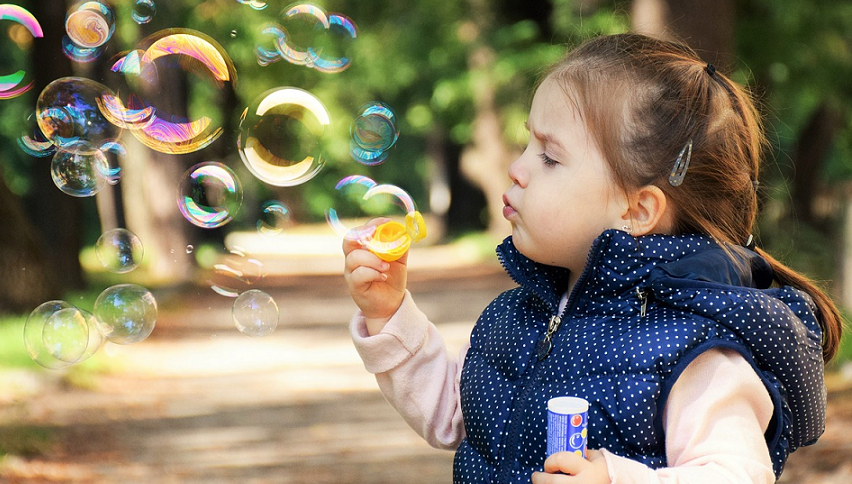
How Parenting Affects a Child’s Development

From supporting schoolwork and athletics into simulating worth as a youngster develops (recall that they really do as you can, not because you say!) Parents exert influence over their children’s lives. They are not the sole influencers once children enter college and start interacting with the planet at large. Many parents work to provide children […]


LEARN MORE

Parenting Ideas

advice arts baby babyproofing child child care child development children child safety clothing coffee coffee lovers crafts dating discipline todders drink coffee correctly education family fitness healthy pregnancy home internet security kids lifestyle read more

A Healthier Lifestyle for the Parents

There’s a great deal of advice on things to eat, just how much to eat, what exercises to do, exactly how many times a week you should workout etc. etc. But there’sn’t that much suggestions about how to actually motivate oneself to eat the right issues and also to get up from the sofa and […]

read more

Top Home Business Ideas For Moms

Looking for a home business that suits you? It is an undeniable fact that mothers have the toughest jobs above all. More especially, to the mothers that are quite hands-on to their family. More and more mothers today are becoming a stay-at-home mom and one of the good job ideas they do is an online business. […]

read more

Tips for a Successful Parenting

Parenting, in its heart, is all about making decisions so as to prepare women and men to be published to the whole world as adults. And that is why I will be traveling into the town of San Salvador. I’ve been requested to talk on the subject of “Successful Trainers” as a way to help […]

read more

How To Get Your Kids Into Outdoor Activities

  It is not necessarily easy to get children to switch off the computer or set down the game control. So how can you make your children play outdoors? Listed below are a couple of tried-and-true tips that experts of outdoor write for us and will really help get them off the sofa and out […]

Read More

Parenting: Teaching Your Kids to Do Household Chores

  An American studies have demonstrated that children who were taught of doing chores at home are better adjusted than those children who grew up having someone to do everything for them. The link between prospective and housework jubilance might not be pellucid but it will make sense, if it is cogitated by one. It […]


LEARN MORE

Millennial Parents : Parenting Style That is Relevant in Today’s World

Generally, millennials receive positive feedback for their parenting style, which gives focus on developing curiosity, empathy and open-mindedness in their children. The latest manifestations are the millennial parents who bring their children to the Black Lives Matter rallies; to instill not only self-worth, but also to explain the meaning of equality regardless of race and […]

Read More
  • Three Child Rearing Advice From The Experts
    Three Child Rearing Advice From The Experts
    Raising a child is a challenging task and all parents know that.
  • Single Parent Parenting Issues
    Single Parent Parenting Issues
    Attachment theory shows that secure connection between child and a parent makes parenting easier and helps parent/child intimacy, which improves the kid's sense of value.

WHY PARENTING STYLE IS IMPORTANT TO THE WELL-BEING OF CHILDREN

We wonder why our youngsters behave the way they are doing, but little will we realize that our parenting style influences their behavior. Children are vulnerable and impressionable after they are younger. this can be when their behavior is going to be determined. As they grow into a young adult, they see themselves as independent which they “know everything”. Nonetheless, this stage too could be a critical one when it involves behavior. Becoming an adolescent could be a transitional period, marked by physical, psychological, and cognitive changes caused by biological factors. At this stage of their life, it’s important to spice up the youngster’s self-esteem so he/she might be ready for the following stage in life.

The flexibility to think, the flexibility to deal with the fundamental challenges in life, the idea in one’s right to achieve success and happiness, the sensation of being worthy and deserving, which allows us to claim our needs & wants, achieve our values and revel in the advantages of our efforts – all of those are characteristics encompassed by self-esteem. With self-esteem, children think about what they are doing, and without it, they fear every step they take. It doesn’t matter if they succeed or fail, the foremost important thing is that they need the courage to urge up and take a look at it again.

So how can we build the conceit of our next generation? this may be caused by the kind of parenting style we use. Consequently, it’s important to form sure that the sort of parenting style you employ is supporting healthy growth and development. The way you interact together with your children and the way you discipline them influences them.


Kik Alternatives: Tips For Using Healthy Lifestyle Apps

Apps and online tools can support cancer sufferers on their way to a healthy lifestyle or in dealing with the disease. But they also harbour risks.

New health apps and online tools like Kik Alternatives come onto the market almost every day. Some measure physical activity, help people to relax and be more mindful or give advice on nutrition. Others serve as a pain diary, reminders to take medication or provide information about preventive medical check-ups. Only a few of the apps are certified and there are hardly any legal bases. It is therefore important to exercise a certain degree of caution here and to compare the personal benefits with possible risks.

Kik Alternatives: Considerations when using a healthy lifestyle app

Purpose and functionality

Regardless of the individual requirements, the app should generally meet the following points:

  • the specific area of ​​application and purpose are described
  • the limits of the app are clearly shown
  • simple, user-friendly installation and commissioning
  • is structured in a way that is understandable for laypeople and is easy to use
  • runs stably and without interruptions
  • supports users in a certain context to achieve a goal

Kik Alternatives: Topicality and correctness of the content

Since there is no uniform certification or a quality label for apps, the evaluation is often left to the users. As with printed information, with an app, it is also worthwhile to ask whether the content is correct and who published it. Identifying incorrect and outdated information is often difficult.

Kik Alternatives: Data protection and data usage

Kik Alternatives

The protection and security of personal data when using health apps should play a central role in the decision for or against their use.

The app should have a privacy policy that meets the following points:

  • is easy to find and view
  • is in principle formulated in an understandable way
  • provides information about the type, scope and purpose of the collection and use of data as well as possible disclosure to third parties
  • only requests the personal data that is necessary for the functionality

A complete deletion of the stored data is usually not possible or not verifiable. Think carefully about which data you disclose and where.

Active Parental Participation at Home

As parents, we are now focused on our children and limit our visits to salons and restaurants with our friends the parents who accompany us are entirely uninvolved. When we ask them a question, we frequently get little or no answers, which is incredibly disappointing. We are unable to contact the parents of the children who are in desperate need of aid. By the way, if you have a family business or want to purchase a chair, you may do it here at used salon chairs for sale.

Parents want the best for their child

Every parent wants the best for their child and is active in their child’s life. However, owing to their differing perspectives on culture, upbringing, and education, they place distinct emphasis on upbringing. As a result, parents have varying thoughts and perspectives on their own position in daycare and school, as well as the function of the educational staff and instructor. Every parent molds and interprets his or her engagement in his or her own unique way. and I understand that all parents want the best for their children

Parental involvement at home is most effective

All types of parental participation in school demonstrate that parent involvement at home is the most beneficial. What parents do at home surrounding school has the greatest impact and contributes to children’s development. The impact of parental engagement in school, as well as communication between parents and pedagogical staff and instructors, is far less important.

Effects of family programs sometimes disappointing

As a result, parents play a critical role in their children’s growth. These literacy abilities are critical in youngsters for a good school career. However, many youngsters lag behind in this area. For example, through family programs, which explain activities that parents may perform at home with their children, an attempt is made to help parents at home in the language development of their young children.

Encourage reading and use of talking boards at home

The study also found that reading aloud and talking plate activities are excellent ways to stimulate parent-child relationships at home. Surprisingly, particularly during the activities with the talking plates, children actively participated in the discussion, and both parents and children utilized more complex vocabulary. As a pedagogical professional and instructor, you may encourage successful parental engagement at home by providing parents with explanations and practical ideas for using picture books and discussion boards. Make yourself a model for the explanation, demonstrating the usage of picture books and talking plates.

Talk to parents about mutual expectations

Prior to these events, it is critical to engage with parents about how they perceive their role in school preparation, among other things. Discuss shared expectations with your parents. We all carry expectations from our family, culture, and education. What do parents expect from educational personnel and teachers? And what role can and do parents play in preparing their children for school? What do you expect from your parents? What can and should parents expect from you? Mutual misunderstanding and misinterpretation can be avoided by engaging in this dialogue.

Parent-Child Relationship – Why it’s Important

Family walking on the pedestrian lane

Parenting is that the most fulfilling job that we are going to ever have, but it’s not without its challenges. Modern family life is often stressful and with various pressures on families, it’s not always easy. Ultimately, parents want what’s best for his or her child and a powerful parent-child relationship can help cause better outcomes for youngsters.

Why maybe a Positive Parent-Child Relationship Important?

The Parent-Child Relationship is one that nurtures the physical, emotional, and social development of the kid. it’s a novel bond that each child and parent will enjoy and nurture. It also can affect the strength of their social, physical, mental, and emotional health.

Parenting Style – Positive Parenting
There is “one-size fits all” when it involves parenting, we modify and adapt as our kids grow. However, following some simple positive parenting tips can help when it involves your relationship together with your child.

Warm, loving interactions
Treat every interaction as a chance to attach along with your child.

Have boundaries, rules & consequences
Children need structure and guidance. consult with your children about what you expect of them and confirm they understand.

Listen and empathize together with your child
Acknowledge your child’s feelings, show them you understand, and reassure them that you simply are there to assist them whenever they need problems.

Problem Solving
Help your child to problem-solve. Be a decent model and show them a way to behave through your own actions. after you work together with your children to seek out solutions they learn the way to handle difficulties in an appropriate way.

Strengthening the Parent-Child Relationship
Forming a reference to your child is very important to developing a robust parent-child relationship. Here are some tips to assist with strengthening your relationship together with your children.

Tell your child you like them
Of course, you’re keen on your children but tell them daily, irrespective of what age they’re. Even on difficult days let your child know you didn’t just like the behavior but you’re keen on them unconditionally. a straightforward “I love you” can do plenty to strengthen a relationship.

Play together
Play is so important to children’s development. Young children can develop many skills through the ability to play.


Signs and Effects of Bad Parenting and How to Change It

It’s a matter we’ve probably all asked ourselves after a very rough day: “Am I a foul parent?” We worry about the long-term effects of our choices, especially when it involves negative interactions with our youngsters. We stress over whether we were too harsh after we yelled at them earlier, if we could have handled that tantrum better, or whether we dealt out the suitable consequences. We’ve all made less-than-stellar parenting choices in an exceedingly moment of frustration or confusion.

That’s why we asked two psychological state experts to share tips about the way to spot the signs of what we’ll call “bad parenting” and also the effect it should wear on a baby — to assist clarify what’s actually worth worrying about. We’ve also got some tips about specializing in the positive when it involves parenting — because when we’re within the trenches, it’s oh-so-easy to linger over the negative.

What is bad parenting?
Physical abuse, neglect, emotional abuse, and sex offense are the foremost serious and damaging behavior traits that almost all people equate with bad parenting. These are things that ought to be immediately addressed with professional help. But beyond maltreatment and neglect, there are things that folks may do or say which will, even unintentionally, result in adverse outcomes for a toddler. Recognizing whether you’re doing those things can facilitate your feeling better about your parenting.

Taking an honest assessment of your parenting style isn’t always a simple task. Calling yourself or somebody else a “bad parent” isn’t something to leap to support a difference in beliefs or parenting style. It’s also important to acknowledge there’s a difference between having a nasty moment and being a foul parent. Losing your temper every once in a very while isn’t identical to telling your child, “I’m smart, and you’re dumb”.


How Parents Affect Their Child’s Mental Health

Mom and daughter on the sea lakeshore

If there’s something all parents can agree on, it’s eager to see your child succeed and live an extended, healthy life. Life comes with challenges, though. This covers how a parent can pass down psychological state disorders to children and which behavioral and emotional patterns can have a long-lasting impact on childhood development.

Adverse experiences and their impact on children
Each time a toddler faces a difficult challenge, whether it’s family turmoil or emotional distress, it takes a toll on them in a very form of ways. There’s even an infatuated term for these forms of negative events — adverse childhood experiences (ACEs). In short, they’re potentially traumatic situations children face, like violent reception, or divorce. Here’s a full overview of ACEs from the Centers for Disease Control and Prevention.

One in three children under the age of 18 caters to a minimum of one adverse childhood experience, while 14 percent experienced two or more ACEs, consistent with data from the National Survey of Children’s Health. a couple of quarters of the time, divorces or separations are accountable for ACEs.

An adverse experience doesn’t guarantee a future problem, rather, it heightens a child’s future risk of psychological state problems, injury, risky behaviors, infectious or chronic disease, and lack of income or educational opportunities. Most notably, because it relates to the current topic, ACEs can increase the danger of depression, anxiety, suicide, and PTSD. The CDC estimates as many as 21 million cases of depression could are potentially avoided by shielding children from these adverse experiences.

In our state, it’s imperative to spot and fix these issues before they become greater problems. Why? Oklahoma is not any. 2 in divorce rate behind only Nevada, in line with the CDC, and it’s the second-highest incarceration rate behind Louisiana. As parents, you’ll do your part by providing a stable home, ensuring your children understand social norms and supply them with the abilities necessary to tackle difficult emotions once they surface.

Parenting style and your child’s psychological state
While you never want to be guilty of underparenting and neglecting your children, you’ll want to avoid overparenting likewise. How so? Repeatedly protecting your children will limit their opportunities to cope with stressful, anxiety-driven situations. An inability to properly handle situations can result in developing anxiety disorders down the road. For more information, read our blog on mental state and brain development in teens.

In certain scenarios, the inverse can happen. Your children could also be so won’t to being protected and numb to certain situations, they feel more independent by doing the alternative of what their parents preach. for instance, parents who overprotect their children from drugs and liquor may lead to children being overly curious and eventually cause drug abuse.

Meanwhile, parenting with a critical, dismissive tone can dampen children’s self-esteem and result in anxiety or depression. the identical may be said for judging your children by their body image or self-worth. Children have already got enough emotions to cater to and being too rigid can affect their development.


https://www.youtube.com/watch?v=fmKxWjzSxSg

Can Parents Influence Their Child’s IQ?

Parent reading a book to her child


Intelligence-boosting goods are big business: toys, books, DVDs, software, games, and instructional programs designed to turn your son or daughter into an intellectual prodigy.

A number of these products include asserts –explicit or implicit–that their effectiveness is backed by scientific proof. Are they?

Occasionally. As an example, scientific research indicates that:

  • Playing cubes can help children develop many different cognitive abilities
  • Instructional applications that teach critical thinking abilities improve IQ
  • A few board games enhance preschool math abilities
  • Several video games improve cognitive abilities and working memory


But most “brainy” goods are inefficient. As I notice in this site article, controlled experimentation has failed to demonstrate that babies learn how to study from media-based instructional applications (Neuman et al 2014). And the evidence indicates that very young kids do not learn to speak by viewing TV. Rather, infants learn language by listening to and interacting with all reside human beings (Kuhl 2005).

Then there are truths and folk beliefs, such as the thought that praising children for their intellect will increase self-esteem and boost their academic performance.

An impressive collection of experiments indicates that the reverse is accurate. Praising children for being clever will make them behave dumb.

Much more interesting–to me is that the discovery that our beliefs about intellect will hamper the learning procedure. Individuals that are convinced that intelligence is a fixed, unchanging attribute are not as inclined to learn from their errors and not as inclined to be successful in college.

Additionally, experiments indicate your child’s comprehension of societal stereotypes about intellect and accomplishment (e.g. “women have more powerful language skills,” or even “Asian children are mathematics prodigies”) may undermine his academic performance.

Here I introduce my direct about this “good bets”–Educate info regarding how parents can nurture their kids’ intelligence. I’ll be adding more posts with time.

Exercise and intellect

It is both surprising and intriguing: Cardiovascular exercise stimulates brain development and enriches our capacity to understand. Studies also indicate that exercise helps children focus attention in college. But there is a catch: To reap full benefits, exercise has to be voluntary. Just click here for the entire story.

Perform

Free play promotes improved understanding, memory, along with the expansion of their cerebral cortex. Additionally, it enriches the maturation of speech, cognitive intellect, counterfactual reasoning, and mathematical abilities. To find out more, read this article regarding the cognitive advantages of drama.

Working memory: The newest IQ?

New research suggests that working memory ability –that psychological notepad we use to believe ideas and resolve issues –is a much better predictor of school achievement than IQ. Read more about functioning memory along with also the signs which you’re able to enhance with instruction.

Gestures

There is also good evidence that gesturing with your palms enhances your ability to recall and understand. Cognitive psychologist Susan Goldin-Meadow along with her colleagues have conducted a set of experiments demonstrating that children are more inclined to remember events, words, and even mathematics courses when they appeared with their hands on.

For those details, read this article about the science of expressions.

Parental sensitivity, attachment security, and intellect

Scientists have noticed a correlation between child IQ scores (you can try one for your child) and scores standing. As an example, 1 study of 36 middle-class moms and their three-year-olds discovered that securely attached kids scored 12 points higher compared to the Stanford-Binet intelligence evaluation compared to insecurely attached children (Crandell and Hobson 1999).

What is responsible for this significance? It is likely that smarter children have a simpler time forming secure attachments. For example, smarter children are probably better at distributing their parents’ behavior and choosing the most suitable answer (Waters and Valenzuela 1999).

However, there’s also evidence indicating that reactive parenting–that boosts safe attachments–leads to greater IQ.

In experiments with households at high risk for poor child results, researchers randomly assigned some moms to get instruction in receptive parenting methods. The babies of trained moms showed a higher increase in cognitive abilities than did the babies of management mothers (Landry et al 2003; 2006).

The outcomes are more consistent with recent research that features the cognitive benefits of breastfed infants to sensitive, receptive parenting (Gibbs and Forste 2014).


ALSO READ: The Experiences Children Go Through When Their Parent Remarries


Mindsets for collapse: Beliefs that hold back your child

Does your child think that intelligence is a feature that is fixed?

Fascinating experiments suggest what we think about intellect can impede our capacity to understand.

Individuals who think that intelligence is a stationary, steady attribute are more inclined to steer clear of challenges. They’re also less inclined to learn from their errors –and the gap ends up in bran scans. Read relating to this happening and the way it affects children.

Does your child think that “people like me” do not do well?

If this is that’s the case, her beliefs may be endangering her performance at college. Audio like politically correct propaganda? There’s really a great deal of strong experimental evidence demonstrating the occurrence of “stereotype threat.” Know more relating to this study and what you could do in order to counteract its consequences.

How compliments can endanger your child’s ability to learn

Praise can be a fantastic incentive. However, in addition, it can make children center on the wrong objectives. Research demonstrates that the erroneous sorts of compliments can really undermine motivation and leave children feeling helpless if they neglect. To learn more, visit this informative article concerning the perils of praising children for being clever.

Sleep and brains

Sleep and learning

There’s a persuasive body of evidence to indicate that we’re more inclined to keep that which we’ve learned-and more inclined to attain new insights–should we go to sleep soon after our research (Gais et al 2006; Wagner et al 2004).

Folks do not have to sleep soundly all night to the effect of work. Naps as brief as 60 minutes could possibly be equally as powerful, so long as they comprise slow-wave (non-REM) sleeping (Mednick et al 2003; Alger et al 2012).

The result was shown on children in addition to adults (Backhaus et al 2008; Kurdziel et al 2013). Therefore it appears to make sense for children to schedule their research prior to naps and bedtime.

Regrettably, institutionalized learning does not create space for study naps! It might seem that home-schoolers, along with other children with elastic academic programs, are at a distinct benefit.

Sleep and cognitive growth

Additionally, it is likely that chronic sleep limitation includes a lasting influence on cognitive performance.

In a study monitoring Canadian children from age 2.5 to 6 decades, researchers discovered that children who had been weak sleepers as toddlers performed poorly on neurodevelopmental evaluations when they’re 6 years old (Touchette et al 2007).

This is true for children whose sleep improved following age. The investigators assume that there could possibly be a “significant period” in early youth, once the consequences of sleep restriction are particularly detrimental (Touchette et al 2007).

Math, logic, and critical thinking

Stanislaus Dehaene is a cognitive scientist and specialist on the mathematical mind.

He asserts that lots of children have inadequate math skills since they’re discouraged from creating an intuitive sense of numbers.

To learn more, have a look at this article about amount sense.

Additionally, read this post about the manner that a few board games will help preschoolers develop their mathematics abilities.

And everything about logic? Experimental studies imply that explicit instruction in critical thinking–such as classes in basic logic, hypothesis testing, and scientific justification –can increase a child’s IQ.

Regrettably, such courses aren’t yet a frequent part of the majority of high school–let alone middle school curricula. Worse, I guess the press and other consequences are training our children to consider blinders on. To find out exactly what I mean, read this post about how critical thinking in children.

Spatial intelligence

Spatial abilities are critical for success in many different fields, which range from engineering and physics to design and the visual arts. Your child’s performance on cognitive activities includes a hereditary component, however, it is apparent that instructional experiences may also have a large effect.

Read about it from my overview, “Spatial wisdom in kids: Why coaching things.”

And for research-based pursuits that may improve your youngster’s spatial abilities, visit this report.

Free option

Children show larger motivation and function much better if they get to pick what they do (Iyengar and Lepper 1999).

Well–that is true for a few American children, anyhow. It ends up that the result is culture-specific. 1 study in comparison Anglo-American and Asian American children. Even though the Anglo-Americans favorite activities they had picked for themselves, the Mexican Americans revealed greater inspiration when their decisions were produced to these by trusted authority figures or peers (Iyengar and Lepper 1999).

The upshot? There could possibly be no more “one size fits all” method of classroom instruction. Some children may flourish when teachers offer them options. Others may find this strategy to be more disconcerting.

Toys and games which enhance cognitive abilities

Even though there’s evidence that activity video games enhance spatial abilities and might even assist dyslexic children to learn how to read, a few of the most essential developmental toys and games will be definitely the most conservative.

For example, research indicates that toy cubes may improve cognitive, mathematics, problem-solving, along verbal abilities. Find evidence-based info regarding cubes and other toys from such Parenting Science webpages.

 

The Importance of Parenting

Parents are significant, but maybe perhaps not in most of the ways, we think we’re. We also called our third kid Annabelle, which along with being a name, additionally signifies in Hebrew, “Please God.” I frequently joke that we’re really saying, “Please God, let this one become easier compared to both!”

She is thirteen months today, and it ends up that she’s been a marginally simpler infant. Yes, there wasn’t any colic or reflux as well as a lack of ear ailments, but she seems to be a milder baby, prone to smile and to be more chilled outside. By comparison, my first kid in the very start was harder inside her character — somehow more destitute and quite emotional. She had been very happy, but in her very first year, she had been demanding and attempting to do her own thing.

It’s wonderful how children look born with this kind of wealthy individual temperaments. What’s even more amazing is the way that these first traits can predict character and behavior later in life in maturity. There’s a remarkable continuing research study from New Zealand that’s been after virtually all the kids born in the town of Dunedin almost 40 decades back. When the kids were old, they have been detected by 2 independent raters who ate them for just how shy they had been, or how open and friendly, or if they had been somewhat tough to control. Those kids who had been rated as spontaneous at three were far likely to perpetrate a crime in twenty-three. And those kids who have been regarded as being shy and vaccinated were likely to get depression by era twenty-three.

If a lot of our own life and character is indeed affected by mathematics, then it’d be sensible to inquire, “what’s the function of parents from the child’s growth?” I have heard lots of parents joke about how they need to be responsible for the children’s treatment once they become adults. And I’ve heard lots of adults, even less jokingly, attribute and be mad at their parents to the way their life has been turned out.

This is quite clear. Parents are liable for much of a youngster’s lifetime — with feeding, clothing, and shielding — that it’s tough to envision that this duty should not comprise our kids being happy and effective. However, since the Dunedin Study reveals, parents do not have too much attention as they may think. As we reflect on the adventure of our children’s distinct temperaments starting pretty much if they had been born — just how much of this was actually within our hands anyway?

I have some comfort from knowing that each little thing I do because a parent does not always have a wonderful effect on my kid’s future life. The regular hassles and challenges of parenting are hard right now, but they’re often not crucial. That it’s fine for a “good enough” parent, so take good care of these, and appreciate them, but do not fret about being ideal. And more to the point, that one of my most important activities as a parent is to assist my kid to understand how to play with the hand they’re dealt with. They’re who they are. My duty to my older girl is to assist her when she’s overwhelmed with the emotional rollercoaster of her entire lifestyle and also to help her find equilibrium. For my infant girl, I will help make certain her calmness and inhibition do not prevent her from being discovered at the sound of our everyday life.

Parents are significant, but maybe perhaps not in most of the ways, we think we’re. The key is to understand what could be controlled and also to forego the things outside us that appeal to the vagaries of genetics and environmental factors over which parents have very little influence.


Influences on Parenting

Parenting is an intricate procedure where parents and kids both affect one another. There are numerous reasons that parents act the way that they do. The multiple impacts on parenting continue to be researched.

Parent Attributes
Parents deliver special qualities and traits into the parenting connection that influence their choices as parents. These traits include parentage, sex identity, character, developmental background, faith, awareness about parenting and child development, and physical and mental wellness. Parents’ personalities additionally impact parenting behaviors. Parents that are far more pleasant, educated, and handicapped are warmer and offer greater structure to their own kids. Parents that are far more agreeable, less stressed, and not as negative additionally support their kids’ autonomy over parents that are worried and not as agreeable. Parents that have these character traits seem to be able to reply to their kids positively and offer a more consistent, more organized atmosphere for their kids.

Parents’ developmental foundations their experiences as kids, can also impact their parenting approaches. Parents may find parenting practices by their parents. Fathers whose parents supplied tracking, constant and age-appropriate field, and heat are more inclined to supply this parenting for their very own kids. Patterns of parenting and inefficient discipline also arise from a generation to another. But parents that are disappointed with their main caregivers’ strategy might be more inclined to modify their parenting approaches if they have kids.

Parenting is bidirectional. Not only do kids and practitioners influence their kids, but kids affect their parents/primary caregivers too. Child characteristics, like gender identification, birth control, character, and health condition, may impact child-rearing behaviours and functions. By way of instance, an infant with a simple temperament may empower caregivers to feel much more successful, since they’re easily able to neutralize the kid and evoke grinning and smiling. On the flip side, a kid or fussy baby can evoke fewer favorable responses from professionals and might lead to parents feeling significantly less powerful in the function. As time passes, parents of harder kids might be punitive and less individual with their kids. Many parents that have a difficult child are discovered to be less satisfied with their connections and also have more difficulties in balancing family and work functions. Therefore, child character is among those kid characteristics that affect how caregivers act with their kids.

Another kid characteristic is your kid’s gender identity. Some parents delegate distinct family chores for their kids according to their kid’s gender identity. By way of instance, an older study has shown women are more frequently in charge of caring for younger siblings and family activities, whereas boys are more inclined to be requested to do tasks outside the house, like mowing the yard. Studies have also shown that some parents speak differently with their kids according to their kid’s gender identity, like supplying more scientific explanations for their toddlers and using much more psychological words together with their wives.


Work At Home Mom? No Time for Water Damages? Call Water Damage Restoration Services

Being a work-at-home mom is no joke. While things can be easier with tending to the children, household chores, and overall home management, work-at-home moms will definitely still need help especially if the husband is also busy managing a career.

Here are instances that a work-at-home mom will need help

Plumbing and Water Damage Restoration

That’s right! Simple plumbing works can be easily done but more complex issues can be out of hand. Water leaks cost money and you don’t want that to go to waste. So the easiest way to solve this problem is to call for professional help. Water damage restoration corona ca are available 24/7 so you can ring for help any time of the day. No more water problems in no time, less stress for the mom, and a well-managed home even with kids around.

Electrical and wire issues

So you think it’s a simple switch problem. Hold on. You might be touching the wrong wire and cause danger to yourself. So when it comes to electrical and wiring issues, don’t do it yourself. Again, call for help. Professional electricians are just a phone call away.

HVAC system

Your HVAC system will be needing yearly inspection. This is to keep the air quality at home safe for everyone at home. Unusual smell and sound when the HVAC system is turned on can mean something. Looking into it yourself can cause more damage than repairs. So call the HVAC professionals to look into things. This will make things easier for you than to tinker with things yourself.

Windows, Doors, and Ceiling issues

Let’s face it, our home is not bulletproof, crack-proof, or even fireproof. So if you notice anything broken, misaligned, molds on the walls and ceilings, again trust a professional to do the fixes for you. If you are a trained professional in carpentry works, why not. But then again, if you are not. Professionals can do a better job and free you of time and worry.


Watch out for your child instead of monitoring

Parents want to prevent something from happening to their child at all costs. What is more obvious than the desire to observe the child at every turn? The market has adapted to this wish. With tracking apps that show on a website where the smartphone and thus hopefully the child is. With web nannies on the PC that regulate online access, block or share content, log the child’s path through the network. They even allow parents to switch to the computer remotely to see what’s happening on the screen. Toys with eavesdropping function sends directly from the children’s room. A step on forbidden terrain, a wrong page on the Internet – already the parents know.


Deceptive security

Parents must protect their child. But there can be no one hundred percent security. Dangers are part of growing up, parents can never get everyone out of the way and would not do their child any favors. Moreover, not everything that promises security is actually safe. Security programs and relevant online services do not always do what they claim to do. Parents should seek expert advice here. Finally, too much protection can even have the opposite effect: those who believe themselves safely are less attentive and thus even more endangered.


Surveillance is not a game

It is almost untrustworthy to disguise surveillance tools as toys. A child talks to her doll, but the fact that the entertainment has to be sent to the doll manufacturer is not noticeable at all. The manufacturer learns the child’s preferences, feelings and thoughts and can do whatever he wants with the data. For example, creating a personality profile – companies can make a lot of money with it.


Parents are under pressure

The pressure on parents is enormous. Society expects the perfectly educated and well-supported child – and quite a few parents bow to this expectation. For parents who want to give their child more freedom, the critical glances of other parents are not easy to bear. But anyone who looks over his child’s shoulder at every turn says,

“I distrust you. I doubt you are following our rules. That’s why you have to account for every second of your life. I know everything, and I know it right away. Denial has no purpose, on the computer is the protocol.”

What is sold with surveillance devices as protection is nothing more than an expensive declaration of censure to the child.


Security through trust

Of course, the best protection for your child is a secure bond between parent and child. An example of a good bond between parent and child is through reading books together or doing art and painting. And if you need painting services for your house, you can visit painters in Abilene.

These activities makes children strong so that they can protect themselves. Technology is hardly a help. Because data is almost always collected, technology is often harmful, because no one knows to whom and for what this data is passed on. A mature personality develops not through surveillance, but through trust.

The Experiences Children Go Through When Their Parent Remarries

Daughter of a remarried parent


When getting married again coming from a previous relationship, the prevailing emotions are exciting, positive, and optimistic. You might get busy with all the preparation, wedding invitations (or convites de casamento as they say in Portuguese), and reception, and still neglect the most important things to get ready for. That is preparing your child for this big change in his or her life.

Remarriage might have many positive elements, even though your child could be awaiting quite different things than you. Additionally, there are some problems that could arise because members of 2 households start living under precisely exactly the exact identical roof.

Here are a few of the most frequent issues for school-age kids:

Reduction

As their parents, develop considerable connections and decide to remarry, kids might be educated of the first family members of the life that they had together with their mother and dad. Now, but together using the possibility of the new union, they need to face the fact that their parents actually are not likely to reconcile and they will never have their first household back. This is sometimes a source of excellent despair.

Kids who have assembled a specially intimate relationship with their mother or father in a span of single parenthood should now learn how to talk about that parent using a new partner and possibly with stepsiblings. It could help to get the kids to get together to get to know each other to get an occasion or two.

Some children will show signs of improved attachment to the parent who’s getting married. As an example, a child may not wish to leave a parent negative in certain social conditions or might express jealousy once the parent demonstrates focus on the new partner and their children. Your little one may even verbalize a number of her hurt and anger (“I do not think he is the ideal man for you, Mother”).

Some kids wonder, “Where do I belong?” As they view their parent beginning a new household, they might feel like a person than a portion of their new family arrangement. With time, but most children adapt to their new household conditions. As they have to understand their stepparent and stepsiblings much better, their degree of approval will expand too.

Feelings

Many kids feel that should they enjoy and show love in their new stepparent, then they’ll be disrespecting their other parent–that the one that this brand new stepparent, to some degree, is substituting in their property. Some kids may fear that when their parent remarries–hence bringing a brand fresh father/mother figure to the house –they’ll eliminate the attention and love of the other dad or mother.

Your little one might feel uncomfortable need to be utilized to just two fathers or two mothers. Especially at first, let them see your new partner in the most comfortable manner –possibly as another dad or occasionally as Mommy’s spouse. Say something such as, “Your stepfather differs from the dad, and nobody could possibly replace your daddy.”


ALSO READ: Positive Parenting: How to Correct a Child’s Bad Behavior


Expect your child to create some comparisons involving her or his actual parent and stepparent, in both negative and positive ways. They might blurt out announcements such as, “You are not as fine as my dad.” Comparisons are regular in this adjustment phase. Finally, your little one will quit making them. But some kids could have more issues and might want to seek support from some mental health practitioner.

If you are able, father and stepfather, or even mother and stepmother, must contact one another to start working toward becoming at ease with speaking about your youngster. This can start with a telephone call simply to say hello and also to share ideas about the kid. Both parties may choose to have dinner or another informal assembly. Even though both of these adults may encounter each other in particular events, like birthdays and graduations, these events might not be the most effective days to do much speaking. The comfier these 2 people become with one another, the more assured the child will sense he or she doesn’t need to choose between the love of their parent and creating a connection with the stepparent. It’ll demonstrate to the child the adults have been pulling with her or his behalf and care and also have their interests in mind.

Don’t expect your child to fix her or his loyalty struggles in the event that you haven’t solved all your issues along with your ex-spouse. When remarriages happen, the dilemma of child custody frequently comes up. By way of instance, if a teenaged father marries a girl with kids, he might go back to court, asking that his kid now resides with him (“I have a spouse at home today and I could look after my kid”). In the middle of a continuing custody battle, the kids often find it more challenging to take care of their particular loyalty struggles.

New Rules

As kids move from a house with one parent to one which now comprises a stepparent and possibly stepsiblings, they’ll most likely have changes in how their family acts. Routines are going to be altered along with new actions that could possibly be in place.

With more individuals in the house, privacy problems may be significant. It could be more difficult for kids to locate some area they could call their very own.

Everybody –including the kids –want to take part in the sort-out and accommodate to the way in which the home runs. Most relatives accommodate, but it might take a while.

Hopes

Virtually all couples need their new unions to work out nicely for everybody. Hopefully, with learning from previous experiences, they could achieve their own fantasies.

Within stepfamilies, it’s unrealistic to expect that the kids will instantly respect and appreciate their brand new stepparents. In the actual world, relationships grow more gradually. Kids need time to actually get to understand and feel comfortable using a stepmother or stepfather.

Generally, superior relationships grow faster with younger kids. School-age kids, that are far more set in their manners, may rightly believe their lifestyles that are established are being bothered with this new guy or girl entering their lifestyle.


Why Are Parents Strict

Which kind of parents generates better children? Strict kids or lenient kids? Most parents grapple with what sort of parenting and subject to utilize. Often it boils down to stringent or lenient. Let us find out exactly what stringent parenting is and the way it can influence a child’s development.

Why Are Children Strict

Parents are rigorous for a variety of reasons, some great and some self-serving. Some stringent parents have high standards and expectations. They instruct their kids self-discipline by holding them liable. These parents have their own kids’ best interests in mind. However, some rigorous parents are commanding since they fear being viewed as grandparents if their kids make errors. These parents are more worried about their emotions and insecurity compared to their kids’ well-being.

Most rigorous parents justify their pick of parenting mode working with the either-or parenting justification. They do not wish to increase defiant children, and experiential parenting is frequently thought to lead to defiance in kids. They turn to rigorous parenting. They believe you can simply be possibly a parent or even a parent. There is nothing in-between.

Possibly the most detrimental impact of parenting is that the strain it places on the parent-child connection, as nobody likes to be commanded.

If you are a strict parent, then it is well worth it to consider what your own child-raising aim is. The most important thing is — what’s your vision of the connection 20 years from today? Do you need your kid to go to you, speak to you personally, or answer your telephone calls once they develop? Would you like them to be in your lifetime?

In case you have very commanding parents, then you most likely have a good deal of recovery to do. Seeking skilled assistance to help you through this recovery journey is a fantastic idea. You do not need to do it independently.


13 Rules To Ensure Safety For Your Kids On The Road

Family walking on the pedestrian lane


While it is important that children understand the laws and regulations pertaining to street safety, they should not be given more information than they can handle.

It is critical to understand the significance of towing San Jose parents must educate their children about. Here are a few fundamental traffic safety guidelines for kids that you may start with.

1. Know Your Signs

Help your child learn about traffic lights and signs, as well as what each hue represents.

  • Green signifies ‘proceed’: Just as soon as the sign turns ‘green’, vehicles proceed.
  • Red says to ‘cease’: Once the signal turns red, each of the vehicles needs to cease.
  • Yellow says to slow down: When the signal turns yellowish, vehicles need to slow down and prepare to stop.
  • The ‘Walk’ or some walking guy emblem at intersections is for pedestrians. Cross the street only if those indications turn green. But visit the right and left to make sure no vehicles are coming.
  • Do not cross the street if the sign says ‘Do not walk’ or when the walking guy symbol turns reddish.

On occasion, a hand symbol is used instead of the walking guy or ‘Walk’ signals. Inform your youngster about it as well. If there are separate symbols for pedestrians, make sure they understand. Gradually teach your youngsters about other important traffic signals.

2. Stop, Look, And Cross

Your son or daughter may need to walk to the bus stop and back. They might simply cross the street once the school bus drops them off. Even if they don’t, they may have to cross the street to see a friend or a neighbor. In any situation, you should teach your children how to cross the street safely. Here’s how you can help them understand:.

Always look for signs and utilize the pedestrian crossing to cross the street. In the absence of these identifiers, here is what you should do:

  • Look to the right, then left, to see if any vehicles are approaching.
  • If yes, then await the vehicle to maneuver, then cross the street.
  • Never cross the curves.
  • Never cross between stationary cars.

Adults should always accompany children younger than five and hold their hands when crossing the road.

3. Pay attention. Listen.

Teach your children that they may not always be able to see an approaching car, especially if they are standing near a bend. Thus, they should listen to determine whether an automobile is approaching.

Automobiles and other vehicles on the street commonly use the “horn” at pops and intersections to indicate that they are approaching. Tell your children:

  • If they hear a horn, they should stop and look to the left and right to see whether any cars are approaching.
  • Listen for an engine sound that appears nearby to determine whether there is a moving vehicle. A loud sound suggests that the car is nearby, and a weak sound implies that it is further away.

4. Do Not Run On Roads

Kids may not always be patient and may frequently run up the road to reach the opposite side. They may also run across the street in your neighborhood while having fun. Inform your children not to run across the street. Kids might quickly become sidetracked and leave their guardians’ hands to run or flee.

Teach your children to remain calm in the street and not run.

5. Always Use Sidewalks

Teach your children to use the pavement when walking across the street. Set a good example for them with the walking trails yourself. When the road is busy, or sometimes not, advise your youngster to utilize the pavement to stay safe on the street.

6. Crossroads and Pedestrian Crossing

Children tend merely to sprint across the road, everywhere they like. That may be harmful since passing vehicles don’t slow down unless there’s a sign or even a crossroad.

Tell your children to cross only at a junction and use the pedestrian crossing. If they’re in a little area where there isn’t any crossroad or marked crossing, then they ought to stick to the principles mentioned previously.

Lessons on airfare safety for children are significant and must be included in school programs too.


ALSO READ: Importance of Good Parenting in Child Development


7. Never Stick Hands Beyond the Car

When a school bus is moving, children prefer to remove their hands from it. A few of them might even raise their heads to respond and wave.

This is not uncommon among students traveling by college bus. It may appear to be a fun idea, but hanging your head or hands from a moving car can be extremely deadly.

If children are not vigilant, they may be hit by vehicles traveling in the opposite direction.

8. Never Cross Road In Curves

Curves will be drivers’ blind spots. If you cross a turn, you do not give automobile drivers enough time to observe it and block the vehicle. Inform your youngster not to cross a curve since it increases the risk of injury.

9. Staying Safe On Your Bicycle

If you have an older child who rides his bicycle to school or around the neighborhood, make sure he is aware of and observes the following bicycling regulations to stay safe on the street.

  • Always wear a helmet when riding a bicycle.
  • Before using the bike, make sure it is in good working order. Check for lights and brakes if you are riding at night.
  • Consistently use the bike lane. In its absence, ride the bicycle on the far left or right side (whatever is acceptable for your country) of this street and continue with traffic. Keep your ears and eyes open to make room for larger and quicker vehicles.
  • Always use a reflective vest in low-visibility areas and at night to be easily detected by drivers.

Don’t allow children to ride bicycles on busy roads without parental oversight.

10. Staying Safe In A Moving Vehicle

A car seat or seat belt can help keep your child safe in a moving vehicle. To ensure that kids are safe in a moving vehicle, make sure they understand and adhere to these basic principles:

  • Always stay inside a moving car, particularly a school van or bus.
  • Pupils shouldn’t go around in a school bus.
  • Stay seated and continue to the difficult railing within the bus to get assistance before the car comes to a halt.
  • Don’t place any portion of the body beyond the window of a moving automobile.

11. Always Get Out In The Curb Side

If your child chooses the school bus daily, help them remember these safety suggestions.

  • Start early and be on time to prevent running to the bus.
  • Consistently stand in the queue when boarding and alighting the bus again.
  • Consistently eliminate the side when taking away a vehicle or the bus to stop having an obstruction into the other vehicles in the street.

12. Be Seen, Stay Safe

It can be a bad idea to wear black if your children have to walk at night. If you want them to be safe, it is imperative that drivers recognize them. To be seen, make them:

  • wear brightly colored clothing or reflective material if biking or walking at night.
  • wear bright clothing over the course of the day.
  • wave their hands if they would like to signal their existence to an incoming car or truck.

13. Do not Rush

Kids may get excited and hurry into an effort to reach a location or meet somebody. That may be harmful. Teach your children to:

  • Not hurry when getting off or into a car since it could be dangerous.
  • Never get diverted or abruptly drag your parent or guardian in a specific direction since this could throw off the adult guard.
  • Stay calm and don’t rush when walking around the road.
  • Not open the car doors abruptly.
  • Not play at the bus bay or even around the streets.


The Challenges as a Parent

Aside from Huggies advertisements, Gerber advertisements, and possibly a multitude of strangely giddy parents around the playground, there is no longer a blissful encounter than getting a parent. One of the days is full of the laughter of small kids; the pride of college recitals; along with the rapture of bake sales, football game successes, and family holidays.

But lots of study studies — along with a lot of parents should you request them to be blunt — paint a different picture. While there is definitely a great deal of pleasure involved with parenthood, it isn’t uncommon to also feel overwhelmed by negative emotions: stress, confusion, frustration, and depression.

Parenthood also places a great deal of stress on parents’ connections, which may result in more strain.

Take heart. If you are feeling the drawback of being a parent recently, be aware that you are not alone. Parents all feel that the burden of parenthood at any point or another — a little over others. Here we will discuss what scientists need to say regarding the needs of parenthood and provide some guidance based on a study to generate the less-than-camera-ready minutes a bit simpler.

PARENTHOOD IS EXHAUSTING

A growing number of moms have been talking up about postpartum depression, and now most men and women see it like a normal physiological reaction experienced by a few new moms. What is more, talked about is that unwanted emotions can expand considerably past the first couple of months of a kid’s life: they may be felt during a lot of your kid’s grade school and adolescent years.

Because most parents know, caring for a child and their many, many demands can be exhausting. Young babies want almost-constant attention: they have to be fed every few hours; they still also wake up several times a night (creating a fantastic night’s sleep a matter of the past for one), and they could call for particular (and eccentric) rituals to make them eat, stop yelling, or even fall asleep. And then there’s the endless supply of messy diapers, soiled garments, along with also the collection of physiological fluids that they bestow upon their own parents together along with uncanny regularity.

The continuous attendance to some other individual and too little sleep can leave parents feeling run down and haggard. Various studies have demonstrated that if parents are tired, this may impact their general wellbeing, in addition to their capacity to answer their kids with confidence and sensitivity. Fatigued parents also reveal more irritability and frustration toward their children, meaning that it is even more crucial that you understand how to deal with this.

The bodily fatigue of parenthood is also, clearly, closely coupled to psychological exhaustion: in actuality, it’s hard to distinguish the two. The very act of caring for a child or kid could be draining on a lot of levels — emotionally, academically, and emotionally. Let us be fair, playing with teddy bears or transformers for hours on end isn’t the most stimulating activity for a grownup. Assessing one’s focus on kid games and kid-oriented actions could be wearying, therefore frequently parents simply zone out. It’s simple to beat up yourself for not feeling emotionally present 100% of their moment, but all those are feelings that many parents grapple with at some point or another.

PARENTS ARE AT RISK FOR DEPRESSION

Due to all of the work and fatigue that follow parenthood, it may bring growth in melancholy as far as an increase in pleasure. Lots of studies have discovered that individuals aren’t just less pleased after having kids, in comparison to their pre-child amounts, but they’re less pleased than their childless counterparts.

Significantly, once children leave home, matters appear to improve. The identical study indicated that the joy degree of empty-nesters was like folks who never had kids. The authors imply that while children are still living in the home,” the psychological requirements of parenthood may only outweigh the psychological rewards of having kids.”

While postpartum depression typically dissipates within a month or two or a year following the arrival of your child, routine old parental blues may wax and wane over the whole period where your child is residing in the home. There are other aspects, past the fatigue related to caring for a kid, which brings about it. Fortunately, there are strategies to fight it.

The Way Your (Parental) Dating Affects Parenthood

One other important reason parenthood could be quite so hard is the fact that it places huge pressure on the chief connection in the household: the connection of these parents. Couples may often experience a fall in marital joy which affects the overall well-being.

After having a kid, we often observe they aren’t communicating too with their spouses as they failed within their pre-child connection; they might not manage conflicts too and might report a general reduction of confidence within the connection. In reality, negative impacts may appear to outweigh the positive. Though individuals who do not have children also experience a drop in enjoyment throughout their union, it’s gradual, minus the abrupt drop connected with having children.

Other elements, such as age and the way depended you’re in existence may also affect how parenthood influences you. Elderly parents tend to be less vulnerable to depression than younger people. Parents still in their early 20s seem to have the toughest time since they’re fighting their own transfer from adolescence to maturity while at precisely exactly the exact identical time learning to become parents. This might be because younger first-time parents are not completely grown themselves up, and there’s more danger to get a “disordered transition from adolescence to maturity.”

Additional elements that could impact your connection with your significant other and your feelings about parenthood include if the pregnancy was intended or not, the mood prior to the arrival of your child, along with the level of sleep disturbance you encounter as a parent.

Although not all the factors that influence our connection to parenthood are inside our control (era, our spouse’s behaviors, our kid’s special needs), there’s a great deal that is in our ability. Transforming our attitudes toward parenthood may make a difference in our understanding of this. The following are a few things you can do in order to derive more pleasure in the experience and decrease depression.


Art of Parenting

Mom and daughter on the sea lakeshore

Parenting is now the very talked-about matter of truth from the current circumstance. Parents are individuals who cultivate a young kid in a pragmatic way and direct him to lead a proper life.

There has been a time when there was a joint family system within the nation. In that setup, the duties of parents weren’t so much notable as it is now because today parents are exclusively responsible for the bringing up of a young child. However, the time has gotten so hard for the parents they barely spare time to get their youngster.

It’s generated emergencies in our growing society. Parenting has turned into a puzzle and individuals are attempting to discover the methods for parenting.

It has ever been a notion that the family is the first college to get a kid. A child starts to find everything out of his own mother, dad, and also the men and women who surround him. Parents make each of their attempts to supply their child the very best of learning within this age.

The child awakens his parents. The principles, morals, faith, way, behavior a child learns from his own parents end up being the actual method of his lifetime. Wordsworth has rightly stated, ‘kid is the father of guy’. This means the customs, characteristics, virtues, nature-whatever the youngster adopts his youth is never overlooked in his life that is senile. Thus the earning of a comprehensive man starts under the close touch of parenting.

Step one for effective parenting is dependent on their contact with your kid. Parents must constantly watch over the actions of their kids. They ought to attempt and create a wholesome atmosphere in your household so the kid can learn to become confident and compassionate.

Confidence is the initial characteristic of a thriving life. Confidence building is contingent on the manner the way the kid has been drawn up. A kid ought to be educated at first through mythical instances as well as also the success stories of the great kindness and warriors since the lives of great men remind us we could make our lives and we could end up being a manual for the forthcoming generation.


The Definition of Good Parenting

Fantastic parenting involves a whole lot of consistency and regular, which gives kids a feeling of control. It concentrates on growing independence in kids, therefore redundancy becomes your goal for parents. It entails a fashion that believes children’s age and stage of growth. In other words, there’s a game between expectations, subject and resilience-building approaches, and also children’s developmental era.

Fantastic parenting goals at interacting with kids. Parents supply children and young people with social programs to allow them to pay their enlarging societal horizons. This society helps them negotiate their offline and online worlds. Fantastic parenting develops a development mindset in children instead of a mindset that says a child’s intellect is repaired.

Psychotherapy that develops a development mindset joins kids’ achievement to effort and approach instead of strictly recognizing and growing natural talent. Fantastic parenting centers on reinforcement over compliments impacts more than punishment and collaboration over obedience. This guarantees parenting fits the times where we reside.

Fantastic parenting insists that children help in the home without being compensated in order that learn to become givers, not takers. Fantastic parenting is more difficult to take into consideration children’s birth arrangement, character, and sex differences. A parenting size does not fit all children.

As stated by the best available study, the very ideal parenting style is the authoritative fashion that’s a balance of stability and nurturance. The results are usually perfect for children concerning academic achievement, mental wellness, and decent well-being when they’re raised by parents which use an authoritative fashion.

Families work nicely when they’re directed by democracies or benign dictatorships. Someone ought to be responsible for a household, and it is a fantastic idea if it is parents! How can your parenting seem? What is your family like?


https://www.youtube.com/watch?v=SxxeikqCFT4

Positive Parenting: How to Correct a Child’s Bad Behavior

Every parent’s nightmare is having a child whose behavior we cannot control. Positive parenting will help correct this kind of attitudes.

Here are some important points when correcting a child’s bad attitude:

1.Positive parenting involves phrasing our language. Instead of saying no all of the time, redirect or steer them in a positive direction. Redirect their activity or behavior is a great first step. Instead of saying no, try saying “Let’s try to do this instead.”

2. Get to Yes! Find a way to say yes. Always negotiate. Say “Yes to when” or “Yes if” rather than simply saying No. Get to saying yes as much as possible. Saying No can carry more weight to a child.


3. Avoid criticizing your child in public. There are times that you need to correct your child in full open ness but you do not do this in front of a friend or even a family member. Take care of that correction in a private way. In applying positive parenting when correcting your child using positive language. Remember, redirect them to a positive direction.

4. Always give your child a positive feedback. Praise them for the accomplishments they do.

5. Become a monitor of good behavior. Watch out for good behavior. Try to see or catch it happening and reinforce that instead of always looking at the negative side. If there is a bad behavior and you need to correct it. Let the consequences be a guide and let it do the teachings. Remember that consequences are the guiding force if they do something bad.

6. Focus on what you want and the desired outcome, rather than focusing on what you don’t want.

7. Buy yourself a little more time. Communicate and consult with each other before you impose anything. Think rather than fight. Every interaction you do with your child will let them either think or fight. Buying time invites your child to think. Consider saying “We need to talk about that after dinner” Your child gets to think of what will happen on the conversation. This will also allow you to think of what to say.

8. Focus on the Behavior rather than your child. No the difference between shame and guilt. Never judge your child. Increase the attention you give to your child. Give them a voice they can talk about what’s going on inside them.

9. Learn to give them a voice. Talk to them what’s going on with their life. Create a special bond with your child. Learn to know your child. This is positive parenting.

Do you also want to know which Hogwarts House your child belongs to? Let your child answer this simple quiz to find out: https://quizlagoon.com/quiz/harry-potter-house-quiz-ravenclaw/

Motherhood: Tiring But Rewarding

Becoming a mother is one of the most difficult responsibility one can have. It requires a lot of things like making time for your children, maintaining the house clean, making sure that what you serve is delicious and healthy, and sacrificing things for your own family. But no matter how difficult motherhood is, at the end of the day, it is also the most rewarding task. What are the common or usual motherhood tasks?

  1. When you wake up in the morning, the first thing that you should do is not to brush your teeth, but to immediately check your children. If they are already awake (if just in case you got up earlier which seldom happens).
  2. Mothers always make sure to prepare breakfast for everyone especially for their children.
  3. After that, you have to take the children to bath so tat you can do other chores after.
  4. Preparing activities for the children is a must so they will not look for gadgets all the time. The activities should also be doable by adults in order to make time and bond with your children.
  5. Make sure that all appliances are not easily reachable by the children especially the toddlers, it is very dangerous. If ever the children had an access to the appliances and accidentally broke it, no worries because even if it is pandemic, there are shops that still cater to this specific needs, visit https://burnabyappliancerepairs.com/ to know their services and how you can avail it.
  6. Also be sure to put the children to sleep before you do your own thing at night.
  7. Before you go to sleep, pray and prepare yourself to repeat everything tomorrow. Be thankful.

The tasks above are just some of the things a mother does everyday. It is already tiring just by simply reading it. But mothers are made to endure everything for their families.


Advantages and disadvantages of the fitness lifestyle

There are some advantages and disadvantages associated with a lifestyle that is fitness-oriented.

Disadvantages of the fitness lifestyle

A disadvantage, especially for advanced athletes, is that they usually adhere to relatively strict diet plans. This means that they often do without certain foods that they actually like to eat. Refraining from eating is often associated with the fear of eating wrongly and can even result in eating disorders.

What has probably become a bit clearer for advanced athletes, often overwhelms beginners: The sheer variety of training and diet options that are available today. This multitude often does not help, but hampers and causes confusion and excessive demands.

People come to appollo store and find the best products that can match their lifestyle.

Advantages of the fitness lifestyle

At the same time, fitness naturally has many advantages. In addition to the health and aesthetic points that are obvious, fitness is also very useful for mental strength and for developing a larger discipline. Many people only get a real idea of ​​how satisfying it can be if they pursue their goals to the end and then actually achieve them.

Hipster – what is it?

Let’s come to another subculture that emerged from the middle of society: the hipster subculture. But can you still speak of a subculture here? What is a hipster anyway? In order to clarify these fundamental questions for an analysis, you should first approach the term.

Approaches to the term

Since subcultures are usually much easier to define in retrospect than in the present, in which they experience a certain distribution, you only want to try an approximation here, which cannot make any academic claims or completeness.

But the so-called hipsters seem to share some traits. Occasionally, for example, optical features are fixed here:

  • Tight pants
  • Lumberjack shirts
  • Retro style in general
  • Big horn-rimmed glasses
  • A beard in male hipsters

In contrast to other subcultures, “members” of this subculture are supposed to be found predominantly at universities. You should therefore be well educated.

All in all, you could see that the different lifestyles are not only very numerous but can also be viewed in much differentiated ways. The variety also means that you can choose between the most diverse designs and choose the one that best suits your own inclinations.

5 Tips to become a Better Parent to Your Child

Being a parent, the only thing that you are thinking is to raise responsible and well-mannered children. This is definitely easier said than done. As a matter of fact, it is something that will take patience and time and yet in the end, there’s no guarantee that your precious little ones will turn out how you expected them to be. On the other hand, it does not hurt to learn some disciplinary strategies that can help you out.

Of course, just as when you are out in the market buying for the best tube amp, there are ways as well on how you can raise your kids.

Tip number 1. Show and Tell

You have to teach children what is right and what is wrong. But when doing this, make sure to do it with calm actions and words. You have to model behaviors that you want to see in them.

Tip number 2. Set Boundaries

It is imperative to have consistent and clear rules that children can easily follow. Make sure that you explain them these rules using words that they can quickly understand.

Tip number 3. Establish Consequences

Be firm and calm when explaining the consequences of what you wanted them to do if they not behave accordingly. To give you an example, tell your kid that if they didn’t pick up their toys, they can’t play it for the rest of the day. Of course, you have to be prepared in doing what you have just said.

You should not give it back right there and then because you pity them. But remember, you should never ever do this to something that your kid needs like a meal.

Tip number 4. Listen to them

Listening is extremely important. There are times when you have to let your kid finish their story before you look for a solution to their problem. Watch out for times when they are showing misbehavior patterns. Talk to them about the situation instead of giving them consequences.

Tip number 5. Give them Time and Attention

Attention is the most powerful tool that any parent can have when disciplining their children. This significantly helps in reinforcing good behaviors too.

Importance of Good Parenting in Child Development

Good parenting is much more important than a fantastic college for your academic achievement of your child. Youngsters perform their best when they’re aided by their own parents in their own assignments, they are even able to highlight the essentiality of schooling and so attend college events. In brief, parents would be the greatest teachers of each kid. Children learn moral principles, manners, subject everything out of their property. It is their great upbringing that helps them succeed later on.

Attending bad excellent colleges does not matter for your kids with parents that are supportive. They really perform well when their parents require a high interest in their own schooling. The vital truth is that social freedom can not be attained by simply adjusting the school program. Some initiatives will also be necessary which aimed to enhance the participation of parents. The academic performance of your child is dependent upon the characteristic of civic involvement in its own lifetime, which can be known as family social funds nonetheless, that the caliber of the college is also required, which can be known as college social funds.

Parents are known for being dead on greater degrees of social capital should they assessed their own kids’ homework every day, talk to school with their children and attend the socialize meetings along with other occasions. These are regarded as the manners parents really pass on the knowledge and values to their kids. Meanwhile, schools with large social capital also are certain the positive classroom ambiance helps them understand more and makes them more excited to learn new classes daily. Alongside the house, college is just another place where kids learn to act correctly.

Schools provide many extra-curriculum pursuits and attempt to get parents frequently. Even teachers additionally consult with parents should they find some matter with a kid. Today, parents are liable for assisting their children in addition to advancement. Therefore, while great schools help to elevate achievement, the effect on the household is really stronger. Youngsters using a high amount of household capital do much better in examinations even if they’re with low college funds. Therefore, the function of family participation is really more powerful when it has to do with academic achievement, albeit both family and school involvement are crucial.

Parents play a very important part in a kid’s education too. Consequently, they will have to be careful and spend their time assessing their kids’ homework, attending meetings that are like-minded, and allowing kids to understand the significance of college. Parents can inspire their kids and educate them on morality. Kids mechanically imitate what they find out at their house rather than forget to. Thus, in the light of the aforementioned mentioned discussion, parenting isn’t just significant but also crucial. On behalf of their parents, fantastic parenting, consequently, makes certain a much better society at large.

If now we teach our children the ideal values, ideally, they can find a wider future and we could get a better world, a universe where we will live in peace and stability. Parents may even stop by an educational adviser should they like some much better concepts to employ within their child’s growth.


Principles of good parenting

Parents’ attitudes towards their children are very important for their development. Parents who have a child late often find it easier to fully accept their new role than parents who are still young. Accepting their parenting role helps parents in their task.

What are the principles?

Promote self-confidence

Self-confidence is essential for your child’s optimal development because a child who accepts himself also has trust in others. Such a positive self-image is highly dependent on parents, so there is little more important you can do than set realistic goals for your child to avoid unnecessary failure and to preserve the child’s self-image. However, parents must also point out their weaknesses and strengths to their children, whereby they should focus on their strengths.

Choose the right time

Innate abilities need to be stimulated to develop when the child is ready. Choosing the right time is crucial: no matter how hard a child tries, it will only learn something when it has matured sufficiently in its development. But once that happens, the new ability will unfold at an astonishing rate, especially if the parents continue to stimulate his interest and efforts.

Learn “togetherness”

Another task for parents is to show their child how to behave towards other people. Children are egoists and at times very self-centered. Show him the rules that apply between people. In this way, you ensure that your child makes friends easily and escapes the life of a loner. Your child will never be socially accepted if anti-social behavior is left unchallenged.

Promote satisfaction

Happy children are usually healthy and energetic because contentment is in itself a drive to do things. In general, happy children accept disappointments and obstacles more easily and find a way out of them. Satisfaction facilitates and encourages all kinds of social activities and contacts – people tend to respond positively to happiness because being happy gives the child a friendly expression – a good starting point for personal relationships. Dissatisfaction, on the other hand, weakens the child’s vigor and energy and reduces his or her physical well-being, which in turn makes it more difficult for the child to use his energy sensibly and purposefully. Happiness can become a habit, and you can make it your business to get your child to adopt that habit.

The Advantages of Eating Healthy Foods as a Kid

A healthful diet is essential throughout your life, but at an early age, nutritious foods are especially crucial. While no one eats “correctly,” and foods like sugary sweets are fine in regulation, a diet according to nutrient-rich foods can improve physical and mental well-being while boosting your child’s energy and in overall great moods.

When your kid is starting to grow, healthy foods, excluding meath that seems healthy like steak wusthof steak knives aids in ensuring proper development. Kids require enough amounts of calcium and vitamin D for solid, strong bones, for instance. Kids ages4 to 8 require at least 1,000 mg of calcium.

A Right Body Weight

Perfect body weight differs from person to person, but consuming healthy foods gives itself to desire control, making it simpler for your kid to stay within his prescribed weight range. An examination of data transcribed in Nutrition Reviews in 2015 revealed that kid’s diets developed dramatically during preschool years, with boosts in added sugar consumption that stayed throughout until youth years.

Stronger Immune Function

Stronger immune function can indicate lesser bugs such as viruses and the flu. Fruits and vegetables allow the child to get there. A research published in the journal Lung in 2017 examined the nutrition and respiratory status of kids in 11 various Latin American countries. The researchers associated high fruit and vegetable consumption with a decreased risk for rhinoconjunctivitis, which triggers nasal manifestations, obstruction and red eyes, and for the normal skin condition, inflammation. Usual fast-food burger consumption was associated with a higher danger for these kinds of conditions.

Excellent Brain Function

A healthy diet certainly feeds the brain, allowing kids to be more apt to focus quickly and function excellently at school. Foods particularly healthy for children’s intellect function are similar ones that help adults. They incorporate fatty fish, such as salmon; eggs, for the memory-supportive choline in the yolk; and groundnut or almond butter, both of which provide vitamin E.


How To Swaddle A Baby

Spread out the blanket, together with one corner folded over slightly.

Lay the infant face-up on the blanket with her or his head over the folded corner.

Wrap the left corner across the human body and tuck it under the rear of the infant, going below the ideal arm.

Bring the bottom corner up over the infant’s toes and pull it toward your mind, folding the cloth down if it becomes near the face. Make sure not to wrap too tightly around the buttocks. Hips and knees should be slightly flexed and flipped out. Wrapping your baby too closely may increase the odds of hip dysplasia.

Wrap the ideal corner around the infant, and tuck it under the infant’s back, on the other hand, leaving just the throat and head exposed. To ensure that your infant isn’t wrapped too tight, so ensure that you can slide a hand between the blanket and your child’s torso, which will allow breathing. Be sure, however, that the blanket isn’t so loose that it might become undone.

Infants shouldn’t be swaddled after they are two months old. In this era, some babies can roll while swaddled, which raises their risk of sudden infant death syndrome (SIDS).

About Diapering

You’re likely going to decide before you bring your baby home if you will use disposable or cloth diapers. Whichever you use, your child will filthy diapers approximately ten times daily, or approximately 70 times every week.


Before diapering your baby, be sure to have all equipment within reach so that you won’t need to leave your baby unattended on the table. You will want:


A clean diaper

attachments (if fabric prefold diapers are utilized)

diaper ointment

diaper wipes (or a container of warm water and a clean washcloth or cotton balls)

After every bowel motion or when the diaper is wet, place your infant on their back and take out the dirty diaper. Utilize the cotton balls, and washcloth or the wipes to gently wash your child’s genital area blank. When eliminating a boy’s diaper, then do this carefully since exposure to the atmosphere may make him moan. When wiping a woman, wipe her butt from front to back to prevent a urinary tract infection (UTI). To check or cure a rash, use ointment. Always make sure you wash your hands thoroughly after changing a diaper.


Diaper rash is a frequent concern. Normally the rash is red and bumpy and will go away in a day or two with warm baths, a few carrot lotions, and a small-time from the diaper. Most rashes occur because the infant’s skin is sensitive and becomes irritated from the wet or poopy diaper.


To prevent or cure diaper rash, try these hints:

Change your baby’s diaper often, and whenever possible after bowel movements.

Gently wash the area with soap and warm water (wipes occasionally can be bothersome ), then use an extremely thick layer of diaper rash or”obstruction” lotion. Creams with nitric oxide are favored since they form a barrier against moisture.

Should you use cloth diapers, wash them in dye- and – fragrance-free detergents.

Allow the baby to go undiapered for part of their day. This also allows the skin to air out.

If the diaper rash lasts for at least 3 days or appears to be getting worse, call your physician — it could be brought on by a fungal disease that needs a prescription.

Bathroom Safety for Kids

Yet just placing hair dryers, electric shavers, and other plug appliances off on high shelves does not mean people have done all that is necessary to completely protect children when they are in the restroom. Every adult has to be knowledgeable about basic security facts and easily share them along with their kids’ other caregivers. Change shower faucet combo by searching online and look for a reliable house appliance and home equipment store.

They also need to require all prospective caregivers for kids to offer current certificates documenting their abilities within this region. Finally, make certain to teach straightforward skills to other caregivers just like how they ought to shut the water off if a bathroom start to overflow. The next two lists of security suggestions will help parents properly safeguard their kids when they are using the restroom.

Maintaining Infants and Toddlers Safe from the Restroom

1. Never leave a child alone in a tub, irrespective of whether there is any water from the bathtub or think the kid is sitting at an ideal safety chair.

2. Eliminate all bathroom, sink, or toilet cleaners from underneath sinks or low-lying places. Only adults should use those and they need to be held on the greatest potential toilet shelves. Only child-friendly hair and soap straighteners should be stored anywhere close to the lower shelves.

3. If don’t regard the kid to be extremely accountable, give considerable thought to bathing the kids from the late afternoon or early evening before heading out.

4. People shouldn’t ever depart any child alone in a bathtub. But never use these chairs if the kid can’t sit upright. When the child can stand up, people need to discontinue using this kind of seat because the youngster can visit and fall from it when they have simply turned off for a minute to catch a washcloth or other product. Additionally, only use these kinds of chairs on surfaces advocated by the producers.

5. Curious and nervous children may suddenly plunge their heads or arms to toilets should they lose something inside if they are not considering them. Look at purchasing proper seat latches.

6. When potty training, starts the procedure with a proper little seat put on the restroom floor. Never expect any child to learn the equilibrium needed on a toilet chair alone before the child is a lot older.

7. Inform the kids to request whatever they want whilst in the restroom. Never store children’s toys in the toilet as they’re only setting up someone for a collapse. Dry toys away after every use and wash them frequently before keeping them in the kid’s area in a suitable location.

8. Don’t allow babies and tiny children to play with toys in the bathtub that contain loose or moveable pieces. It simply takes a moment for quite a young child to place a weathered bead, button, or a different thing in their mouth and begin choking.

9. Pick a proper room temperature before taking the baby or young child to the restroom. Also, keep lots of towels and clean clothes out there.

10. Carefully analyze all towels pubs or hangars to make sure the tiniest kids cannot use these to pull themselves up or too dangerous places. If needed, remove these things and set them considerably higher on the walls.

11. Never allow children to drink or eat anything while at the restroom. There are enough risks to look out for without presenting different things they could choke on.

How To Take Good Care Of A Newborn If You Are A First-Time Parent

Getting Help After the Birth

Think about getting help at this time, which can be quite overwhelming and hectic. In the hospital, speak to the pros around you. Most hospitals have feeding experts or lactation consultants that will help you to get started nursing or bottle-feeding. Nurses are also an excellent source to demonstrate just how you can hold, burp, change, and also care for the infant.


For in-home aid, you may want to employ a baby nurse, postpartum doula, or even a responsible neighborhood teenager to assist you for a brief time following the arrival. Your health care provider or the clinic can assist you in finding details regarding in-home assistance and may make a referral to home health agencies.


Relatives and friends often want to help also. Even if you disagree on certain items, do not dismiss their expertise. But if you do not feel up to getting guests or you have additional issues, do not feel guilty about putting restrictions on people.


Managing a Newborn

In case you haven’t invested a great deal of time around teenagers, their fragility might be intimidating. Listed below are a couple of principles to remember:


Wash your hands (or use a hand sanitizer) before tackling your baby. Newborns do not have a powerful immune system, however, so they are at risk for disease. Ensure everyone who manages your infant has a clean handson.

Support your child’s neck and head. Cradle the head when taking your baby and encourage your mind when carrying the infant vertical or whenever you put down your baby.

Never shake your toddler, whether in drama or frustration. Shaking may lead to bleeding in the brain and even death. Should you have to wake up your baby, do not do it by vibration — rather, tickle your child’s toes or blow gently on a cheek.

Make sure that your baby is securely fastened into the carrier, stroller, or car seat. Limit any action that may be too coarse or resilient.

Recall that your furry friend isn’t prepared for rough play, like being jiggled on the knee or thrown from the atmosphere.

Bonding and Soothing

Bonding, most likely among the most gratifying parts of baby care, occurs during the sensitive period in the very first hours and days after arrival when parents create a profound relationship with their baby. Physical proximity can encourage an emotional link.


For babies, the attachment results in their psychological growth, which also impacts their growth in different places, such as physical development. A different way to consider communicating is”falling in love” with your infant. Children thrive from using a parent or other adult in their life who loves them unconditionally.


Begin bonding by cradling your baby and lightly stroking them in various patterns. Both you and your spouse may also take the chance to become”skin-to-skin,” holding your toddler from your skin whilst consuming or cradling.


Infants, particularly premature infants and people that have medical issues, may react to baby massage. Particular kinds of massage can enhance bonding and assist with baby growth and development. Many publications and videos cover baby massage ask your physician for recommendations. Be mindful, however — infants aren’t as powerful as adults, therefore massage your baby softly.


Babies usually love vocal sounds, like speaking, babbling, singing, and cooing. Your infant will love listening to songs. Baby rattles and musical phones are other very good ways to stimulate your baby’s hearing. If your child has been fussy, try singing, reciting poetry and nursery rhymes, or studying aloud because you rock or sway your baby gently in a chair.


Some infants can be remarkably sensitive to touch, light, or noise, and may startle and cry easily, sleep less than anticipated, or turn away their faces whenever someone talks or sings to them. If that is true for your baby, keep light and noise levels low to medium.

Swaddling, which works nicely for some infants during their first two or three weeks, is just another calming technique first-time parents ought to learn. Appropriate swaddling retains a baby’s arms near the body while still allowing for some motion of their legs. Not merely does swaddling keep a baby warm, but it also appears to provide newborns a feeling of safety and relaxation. Swaddling can also help restrict the startle reflex, which could wake up a baby.

Here are the Best Jobs for Mothers

When you close your eyes, you can reasonably imagine your dream job as a mother. Perhaps it involves being able to take paid leave time, where you can bond with your children without thinking about the money. Perhaps it provides you and your family a sense of assurance as you work to create a nest egg. Or perhaps your ideal work situation just gives you a possibility to do the little things you used to be able to do before being a parent—like getting to sit down, concentrate and sip a cup of coffee without bothering about what problem your kids might be getting into.

6 Best jobs for moms to think

There’s no one-size-fits-all ideal work for moms—every individual circumstance is complex, and you may consider some factors more than others. That being said, the jobs below highlight an appealing mix for many parents and are an outstanding starting time for your consideration.

1. Web developer

Technology works are in demand these days, but it’s certainly not the most popular industry for moms to think. Web developers invent and build websites. Depending on the particular role, they may accomplish the look of the website as well as its special features and functionality.

2. Medical representative

Medical assistants complete regulatory and clinical duties in the services of physicians, clinics, and other healthcare facilities. They are usually one of the first people you meet at a clinic, entering your personal information and aligning your vital signs. Chances are, you’ve worked with a medical assistant when taking your little one in for a checkup. You can check some more jobs here https://www.topnigerianjobs.com.

3. Preschool teacher

Preschool teachers train and mind kids younger than age five who have not yet started kindergarten. They might operate in childcare centers, preschools, or a kind of situation that hosts preschools in a city.

Preschool teachers organize exercises that inspire and teach the kids in their care for age-appropriate growth. They teach children while waiting for symptoms of passionate or developmental difficulties and keeping parents updated about their kids’ advancement.

Here are Some of the Most Common Parenting Dilemmas


family

Parenting has become a difficult job for most parents in modern times. The reason why it has become pretty challenging is because our lifestyle is quickly evolving with unique conditions and needs being introduced into our lives. No more days when fathers had to work until they turn 60 years old and mothers had to stay at home, doing household chores, and growing their kids. In modern times, everything has been transformed.

Lack of Time

One of the most important parenting difficulties several parents encounter today is the lack of time. In twenty-fours per day, they have to balance the time between a surplus of tasks– accomplishing office tasks, doing household chores, checking and monitoring their children, and of course, keeping some time for themselves which becomes the unlikely the majority of the time. Parents encounter challenges in having time for each of the jobs in the best achievable way. Nevertheless, if similar tasks are prepared with better time control then they can have time for all the jobs without making their kids suffer at all.

Not being able to Impart Moral Values

A lot of studies have revealed time and again that a lot of kids get included in unwanted exercises since they have not been shown decent moral values by their family. Because of the lack of correct beliefs, they fail to differentiate between correct and incorrect and get more fascinated towards getting improper behavior. With the improvement in the utilization of technology and electronic devices, kids are attracted to the adversarial side of the internet given that their activity is not being monitored.

Do not just let them play with their toys https://medium.com/@playtime/best-toys-gifts-for-7-year-old-girls-791f6de22851, make sure to teach them correct values.

Imbalanced life

Another difficulty present parenting endures from these days is imbalanced life. It’s a reality that we cannot neglect our fundamental jobs of life that include house, office, children, and other particular conditions. While producing an equality amongst these jobs can be critical, if they’re not managed correctly, then you may surely go down. Those who are not able to support a balance among all of these conditions may have to observe a very imbalanced life.

How To Get Your Kids Into Outdoor Activities

Mom and daughter on the sea lakeshore


It is not necessarily easy to get children to switch off the computer or set down the game control. So how can you make your children play outdoors?

Listed below are a couple of tried-and-true tips that experts of outdoor write for us and will really help get them off the sofa and out the rear door.

Relocate a popular indoor activity outside

If your children aren’t moving outdoors, nudge them to see, draw, or play with their favorite toy outside in the fresh air. This builds on the behavior they enjoy. Being in an outside environment is a totally different adventure and will invite them to perform in a brand new manner.

Make outside time

Quite often children really only wish to spend some time with their parents and other family members. Schedule a particular action you can participate in together. Taking walks, getting hitched, and creating park visits collectively are great ways to integrate Mother Nature into your household routine.

Research various areas, different times, and various experiences

Consider ways that you may add some variety to your outside moment. Colorado is also home to a large number of distinct outside spaces and surroundings. Spend some time on your lawn and visiting the neighborhood park, however also think about researching a little further –forests, farms, mountains, and lakes. This provides children different strategies to experience and consider the outdoors. The identical place could be wholly changed during various areas of the entire year or maybe several days of the day.

The more the merrier

Spending time outside should not be a lone art. Creating it a social encounter makes it much more entertaining. Children inspire other children. If drama dates are a part of your lifestyle, then consider monitoring a playdate for a task that may be carried out outdoors. Including a buddy to the combination may be just the nudge a child should inspire their internal adventurer to emerge. This approach is particularly effective with older children.

Establish your personal fears and anxieties aside

Can we worry too much about the protection of our children? When you examine the cold hard truth, the solution is the unquestionable yes. Actually, it’s never been a simpler time for a child playing out in America. For example, abduction with a stranger has decreased by 51 percent since 1997. Missing persons cases have gone down by 40 percent. Automobile deaths have dropped from 43 percent. The number of youths that had been victims of violent offenses has dropped by 59 percent since 1994. Things are safer and better with this generation of youngsters.

Additionally, think about that playing outside makes for a capable, educated, and self-explanatory kid. And an unaffiliated child equals a safer child. Begin your child’s outdoor freedom by taking little steps, such as playing in the garden as you watch them. Before you know it, they will be running throughout the area, like you had to do.


ALSO READ: Why Stockpiling is Now Prevalent in the UK


It Requires a village, therefore help construct the village

In regards to raising a kid, most parents and caregivers confront exactly the exact challenges and concerns that you do. Reach out to friends and neighbors for assistance. Switch your neighborhood to a community that embraces the value of outside play. If most of us spend a slightly bit more time outside in our areas, we will make more buddies, understand about one another, and make communities in which kids and parents feel comfy in. It is a very simple idea that will help everybody.

Conquering boredom and other hopeless jobs

A good deal of parents believes that it is their job to function as the Chief Entertainment Officer and offer a never-ending collection of actions for their children. Rather, consider adopting boredom. Something as straightforward as daydreaming unlocks youngsters’ imaginations and directs them to formulate wonderful and complicated drama thoughts. Invite your child to fix their particular issue. They’ll grow more creative and independent because of this.

Everything develops with a little distance

We love our children and do not need to lose out on significant moments together. However, at times the best thing that you can do to them would be to offer them some distance. In these moments of liberty and liberty, amazing things happen. Look at creating places only for them. Somewhere as straightforward as a garden area in the garden or even a dirt heap or sandbox can do just fine.

Can it be a priority?

Decide on an easy objective. Strategy for a single hour of outside playtime every day for your children. Not only can they look ahead to it, but you will begin to find fitter and healthy kids very quickly. Because children truly do grow much better outdoors.

Locate a job for tech

Tech is a very valuable tool for studying and exploring character, provided that it does not divert from it. Consider going on a geocaching experience to discover hidden treasures. Go on a picture hunt and choose nature selfies. Download programs such as Merlin, Sky Guide, and also iNaturalist to create finding the outside more intriguing.


𐌢